EUROFLEETS2 Funded Project "MULLET" Results
Multiple Level Effects of Trawling
|
Project Acronym &Title: MULLET - Multiple Level Effects of Trawling
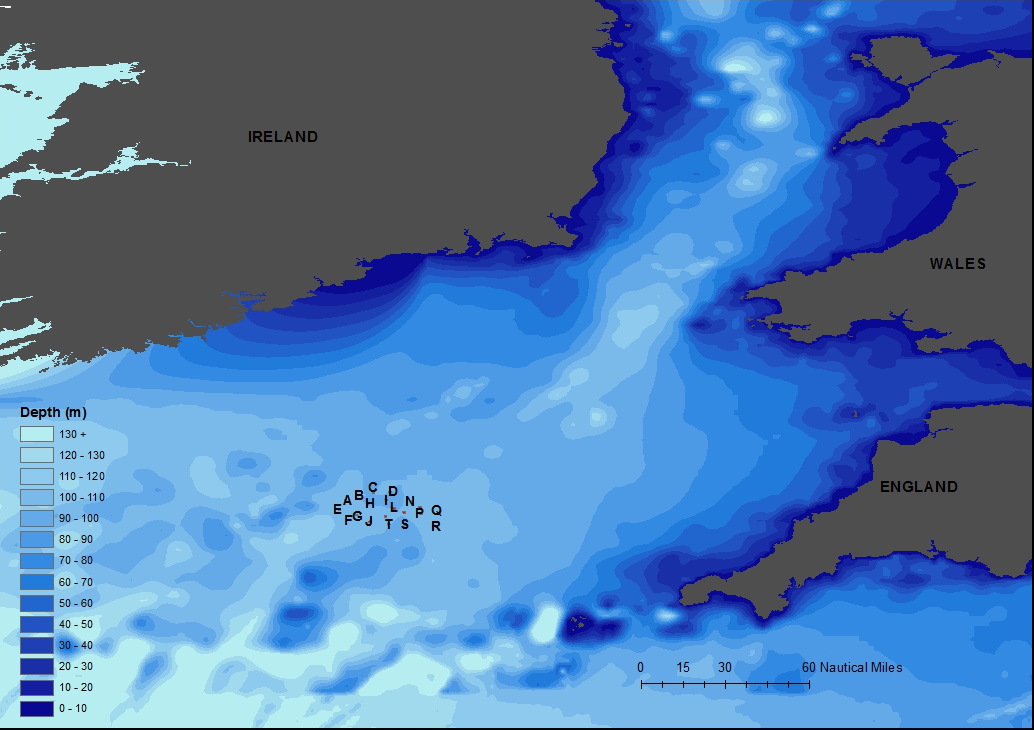
Area: Celtic Sea
Research Vessel: RV Celtic Voyager, Marine Institute, Ireland
Chief scientist: Marija Sciberras, School of Ocean Sciences, Bangor University, UK
Other project partners: Instituto Español de Oceanografía, Spain
Date: 17 - 25 May 2015
|
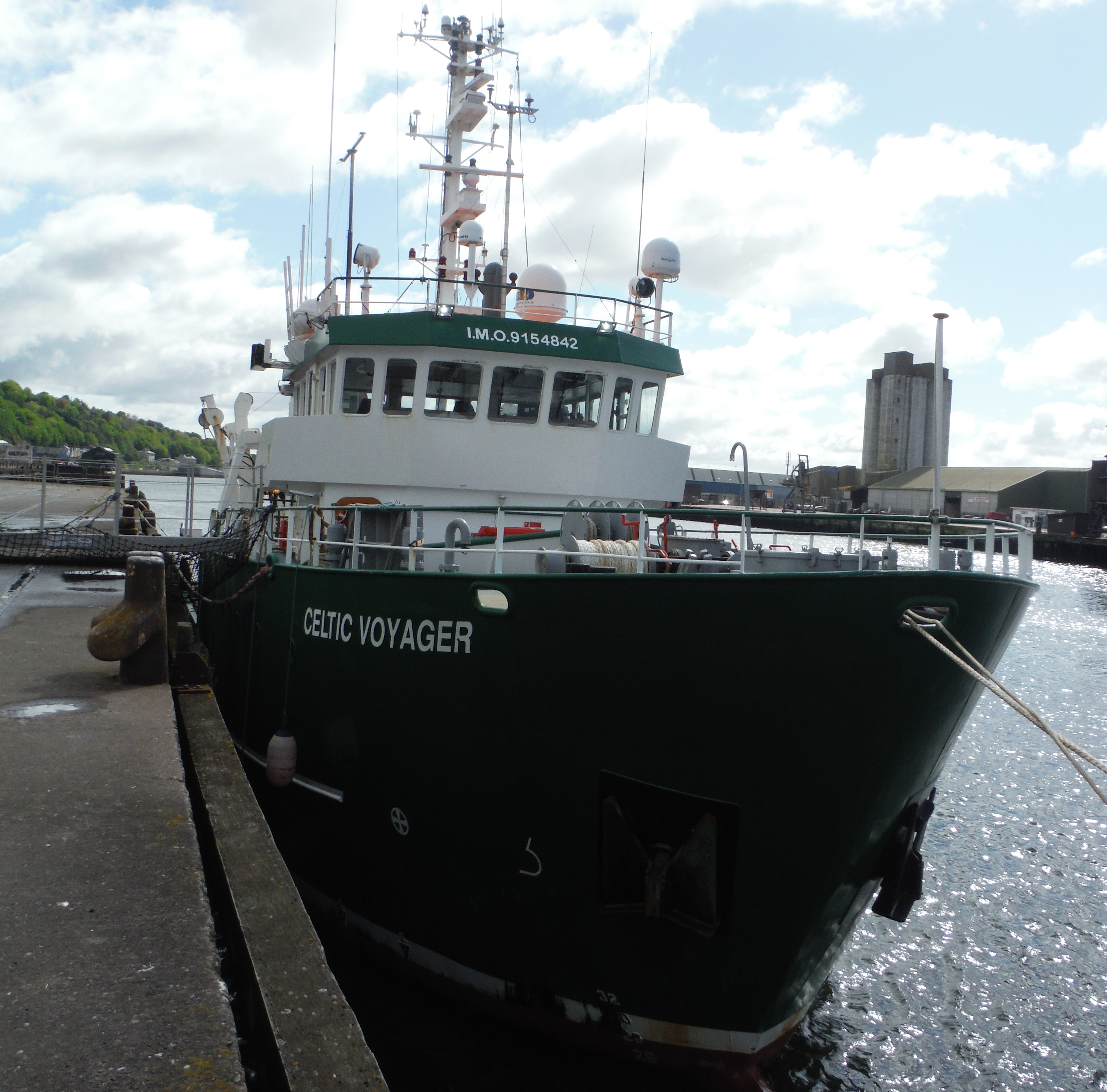
RV Celtic Voyager © Marija Sciberras
|
|
|
|
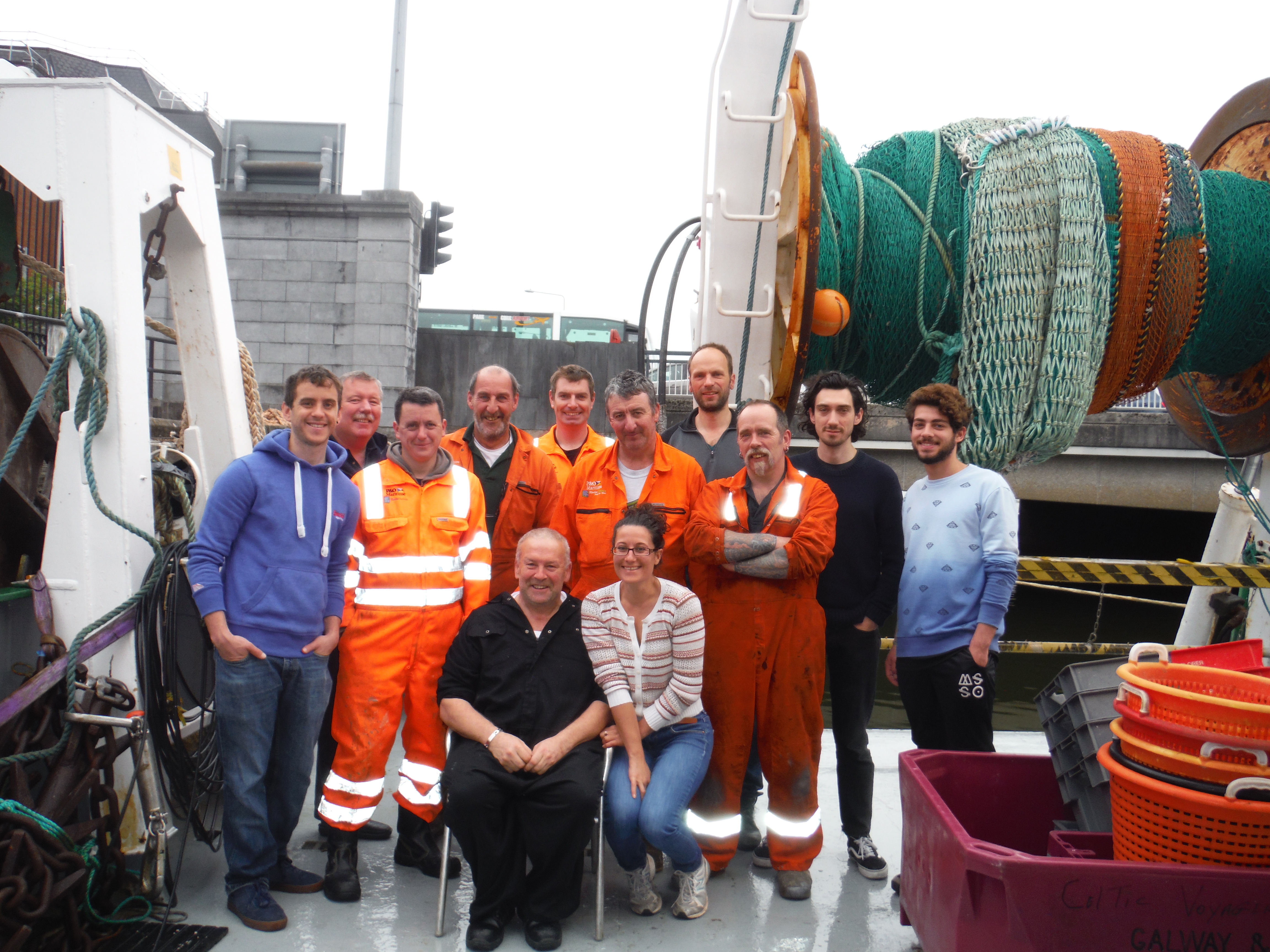
| MULLET cruise team © Marija Sciberras |
MULLET sampling location © Marija Sciberras |
 |
Marija Sciberras, Bangor University, UK
"This work provides an assessment of trawling impacts across multiple trophic levels simultaneously and allows us to improve our knowledge of the secondary effects of trawling on benthic community and ecosystem processes at a spatial scale that is relevant to fisheries. This work has also provided us with the opportunity to expand links between Bangor University in the UK and the Spanish Oceanographic Institute (IEO) and Mediterranean Institute for Advanced Studies (IMEDEA) in Mallorca, Spain. I am most thankful for the brilliant and very dedicated crew members of the RV Celtic Voyager and the scientific crew who joined this cruise; everyone was a real pleasure to work with."
|
Main Objectives
The MULLET project had set out to achieve the following:
i. to quantify the effect of fishing for Nephrops norvegicus (aka Norway lobster or langoustine) using otter trawl gears on the invertebrate community that occurs within this actively fished fishing ground;
ii. to assess whether bottom trawling affects the fitness of fish species that feed on seabed invertebrates by changing their food availability.
|
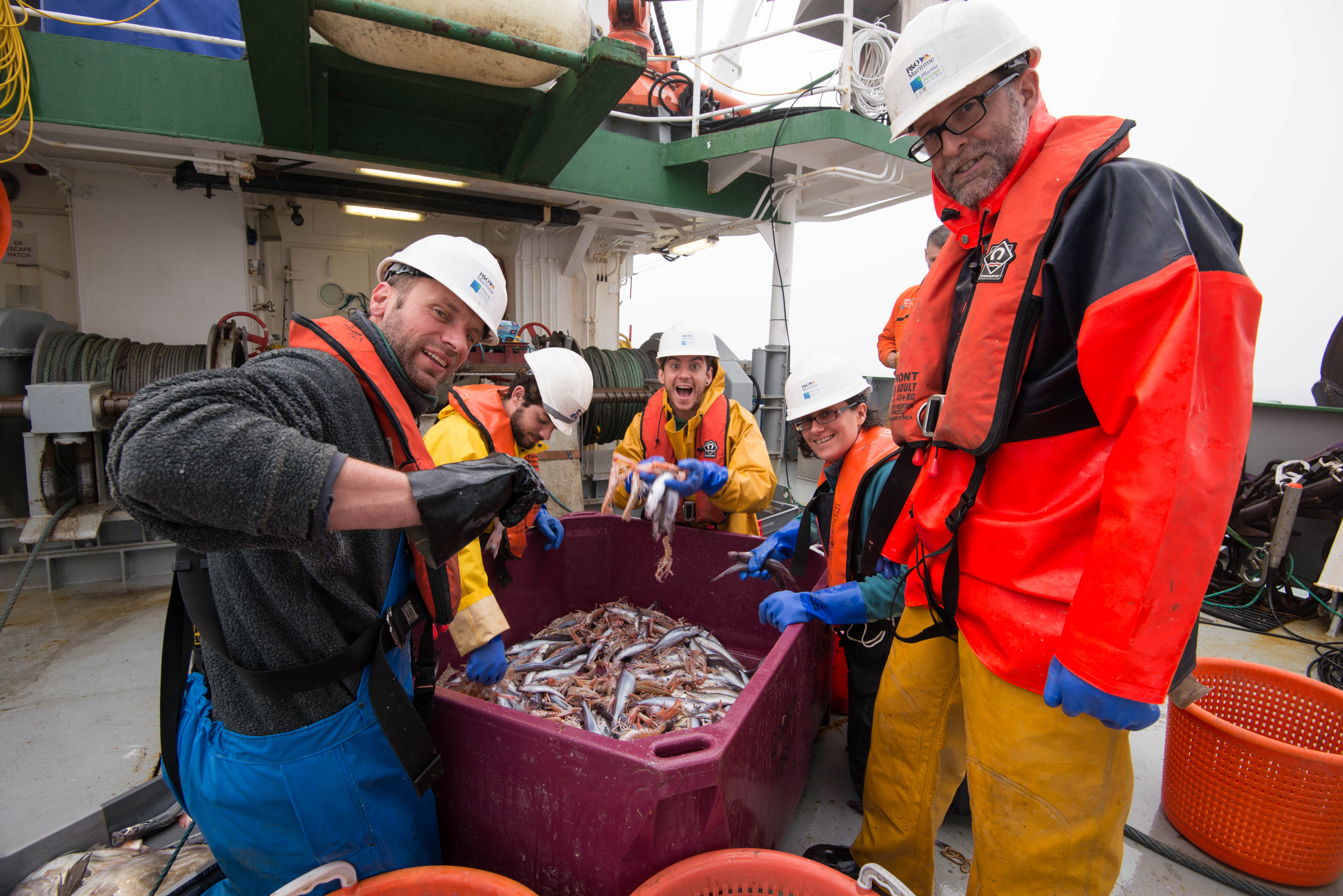
Scientific crew sorting the fish catch
© James Monnington
|
Work progress and main achievements
|
Our team of benthic marine ecologists from Spain and the UK embarked on an 8-day research survey on the RV Celtic Voyager visiting sites in a Nephrops fishing ground in the Celtic Sea. Despite bad weather, the rough seas did not dampen our excitement and twenty sampling stations in the Celtic Sea at depths averaging 100m were visited. At each station we used a combination of sampling gear (Day-grabs and demersal otter trawl) to collect samples of the benthic invertebrate and fish community. Whilst at sea, our team was busy processing invertebrate samples and identifying, counting and measuring the length and weight of all the fish species collected in the catches. Additionally, stomach samples for the benthivorous fish (megrim, haddock and grey gurnard) were collected so as to relate fish prey spectrums with the food available in the environment across the gradient of trawling effort in the fishing ground.
Preliminary analysis of the invertebrate data suggested significantly higher abundance of polychaetes (marine worms) in highly fished areas compared to lightly fished areas. In general, polychaetes are characterized by short regeneration times and fast growth rates making them more resilient to frequent anthropogenic disturbance such as bottom fishing relative to other species groups. Preliminary analysis of total fish abundance indicated higher biomass at areas of medium trawling intensity; however variation was high among different fish species. For example, megrim abundance decreased with increasing trawling intensity but haddock abundance appeared to peak at medium-trawling intensities. Further analysis that include stable isotope analysis of fish tissue samples at the Spanish Oceanographic Institute (IEO) and Mediterranean Institute for Advanced Studies (IMEDEA) and analysis of fish diet at Bangor University are ongoing.
The cruise benefitted two students who are currently carrying out their research projects at Bangor University; Robert Bajada who is carrying his studies at the Masters level and James Monnington who is carrying out his studies at the doctorate (PhD) level.
|
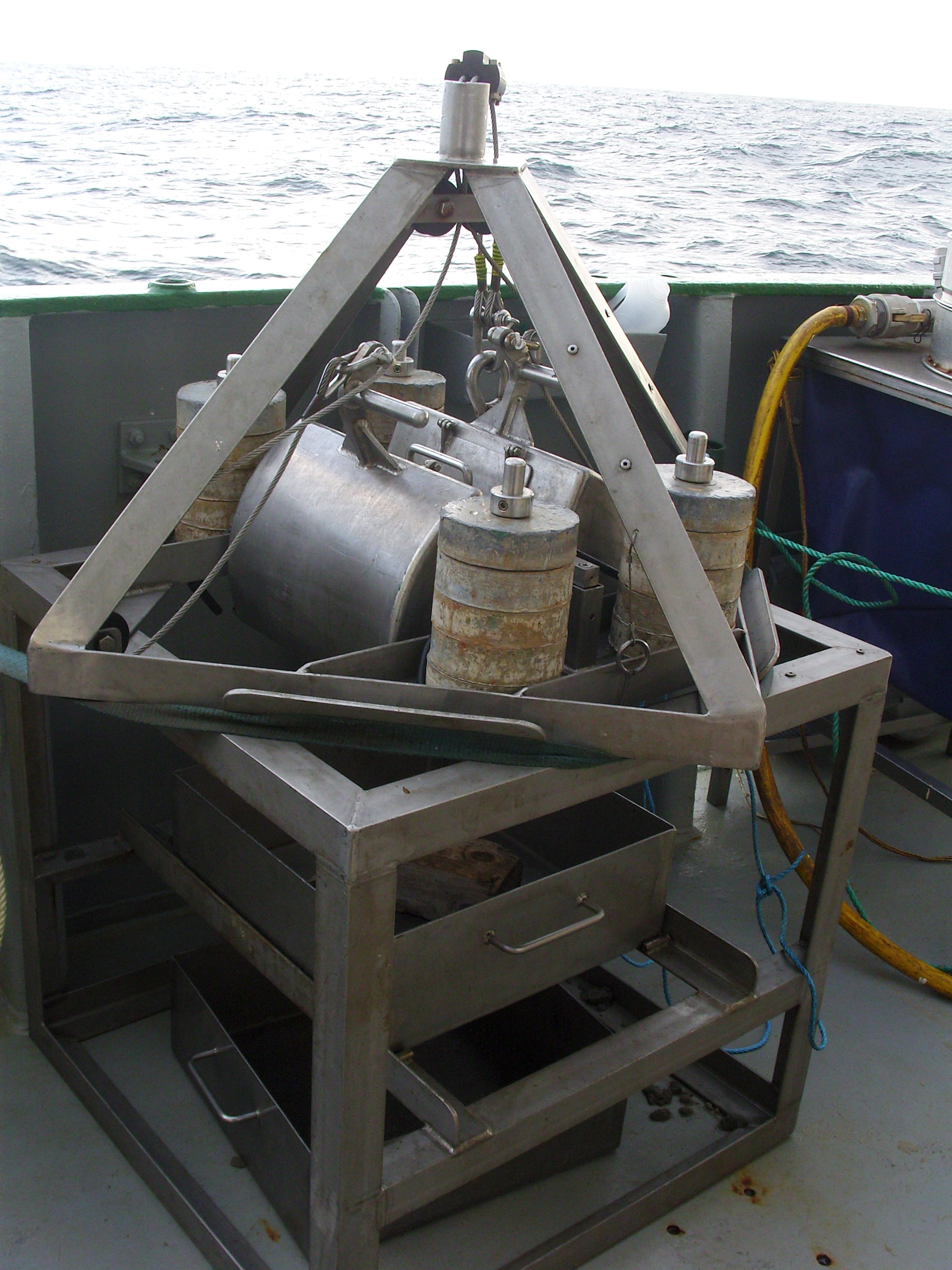
Day grab to sample benthic invertebrates
© Marija Sciberras
|
|
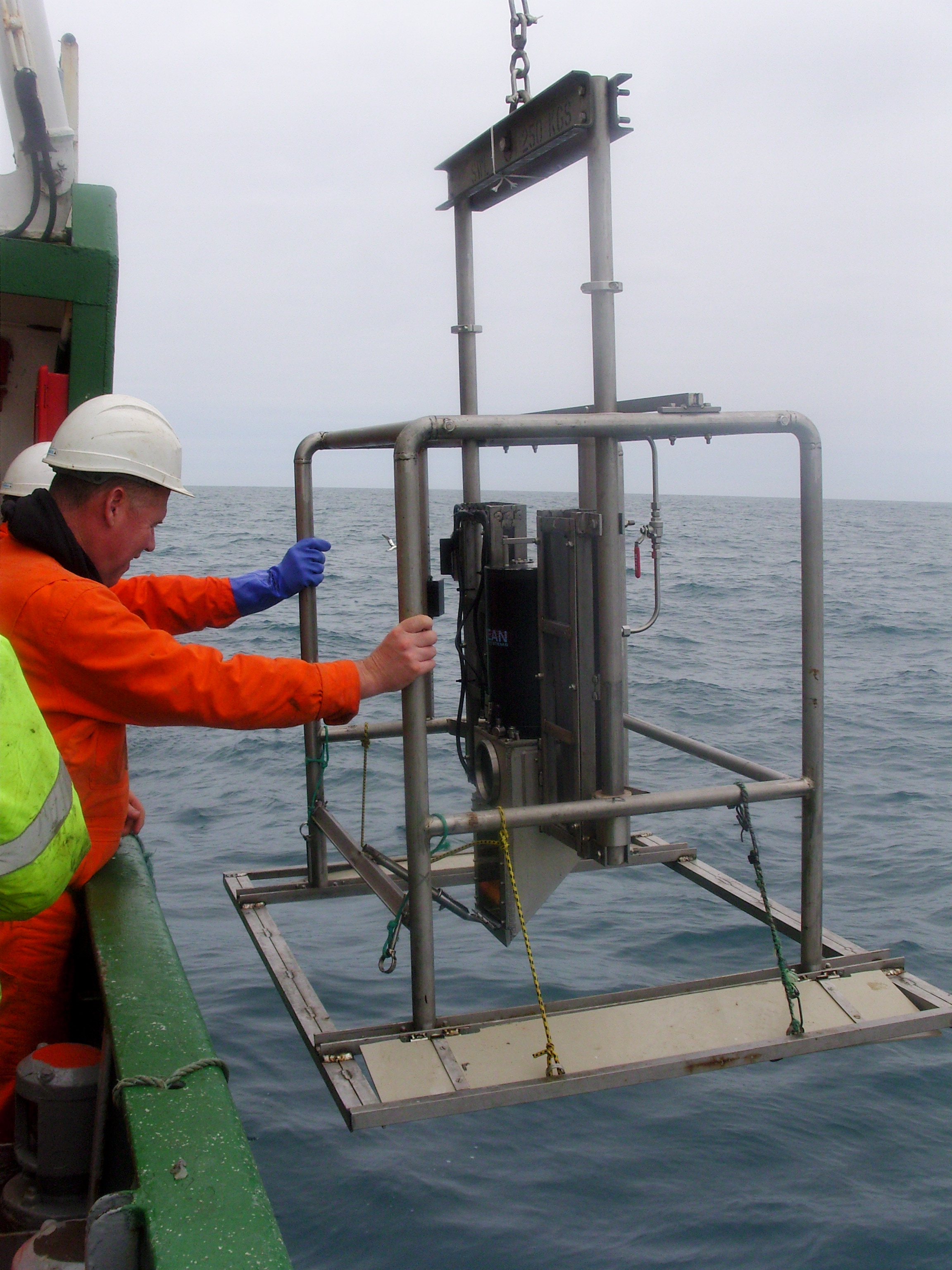
Sediment Profile Imaging camera to determine invertebrate activity in the sediment
© Marija Sciberras
|
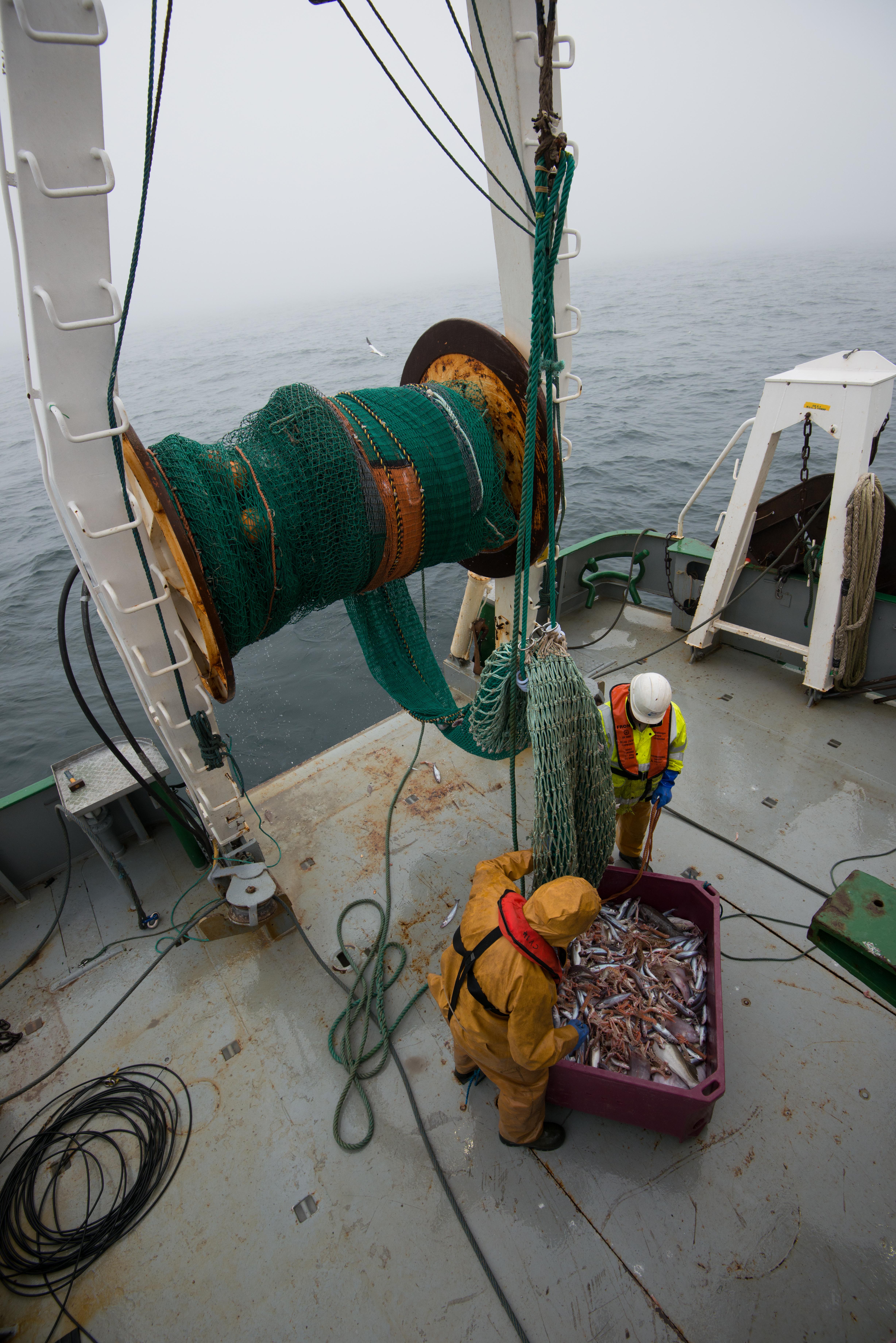
RV Celtic Voyager operating the otter trawl net
© James Monnington
|